
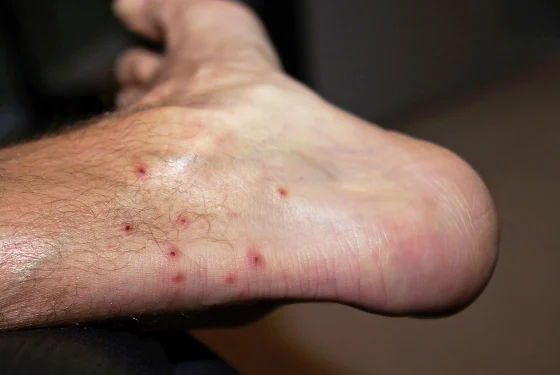
I need to explain something that confuses people constantly after managing outdoor education programs across three continents: chigger bites aren’t dangerous medically, yet they cause more suffering than many serious injuries because of the absolutely relentless itching they produce.
Unlike mosquitoes that cause brief annoyance or ticks that may transmit disease, chiggers create localized misery so intense that people have scratched themselves bloody seeking relief from itching that dominates every waking thought.
The reason treatment focuses almost exclusively on itch management rather than healing the actual bite is simple—the enzymatic damage is microscopic and self-limited, but the inflammatory cascade it triggers creates suffering completely disproportionate to physical harm.
Understanding the Itch Intensity Difference
Chigger saliva contains digestive enzymes that liquefy skin cells—this protein injection triggers allergic response far more intense than simple mechanical puncture from mosquito proboscis.
The immune system recognizes foreign proteins as major threat—mast cells release histamine and other mediators creating inflammatory response that vastly exceeds actual tissue damage requiring such reaction.
Itch intensity correlates with enzyme volume injected and individual immune reactivity—people with stronger allergic tendencies experience worse itching from identical exposure creating highly variable experiences.
The neurological component involves specific itch receptors responding to histamine and inflammatory mediators—these pathways create irresistible urge to scratch that willpower alone cannot suppress effectively.
What makes chigger itch uniquely problematic is duration—mosquito bite histamine clears within hours, whilst chigger enzyme exposure creates days-long inflammatory process with persistent mediator release.
Clinical measurements show chigger bite itch scores averaging 8-9 out of 10—significantly higher than mosquito (4-5) or flea bites (5-6) on standardized itch assessment scales.
Why Topical Treatments Alone Fail
Surface treatments face significant barriers reaching the actual site of enzyme injection—digestive proteins penetrate dermis where topical applications barely reach through intact epidermis.
Standard anti-itch creams contain antihistamines, local anesthetics, or mild steroids—these provide superficial relief but don’t penetrate deeply enough neutralizing the dermal inflammatory process.
The blood-brain barrier analogy applies—skin’s stratum corneum prevents most topical medications from reaching dermal nerve endings where itch signals actually generate.
Scratching paradoxically increases absorption by damaging epidermal barrier—this explains why creams seem to work better on scratched bites, though benefit comes at cost of tissue damage.
Combination approaches using oral antihistamines addressing systemic histamine plus topical steroids reducing local inflammation work better than either alone—attacking problem from multiple angles.
What outdoor medicine experience teaches is that severe chigger reactions require systemic treatment—topical therapy alone proves insufficient for the deep dermal inflammatory response chiggers create.
Addressing Sleep Disruption
Nighttime itch intensity increases due to reduced distractions and circadian inflammatory mediator peaks—many patients report itching becomes unbearable once lying down attempting sleep.
Sedating antihistamines like diphenhydramine serve dual purpose—reduce histamine-mediated itch whilst causing drowsiness helping patients sleep despite residual discomfort.
Cool bedroom temperatures reduce peripheral blood flow decreasing inflammatory mediator delivery—maintaining 18-20°C sleeping environment helps considerably with nighttime symptom control.
Cotton gloves prevent unconscious scratching during sleep—allows natural scratch reflex without causing tissue damage that worsens next day’s itching through added mechanical injury.
Establishing pre-bed routine of cool shower, fresh antihistamine dose, topical steroid application, and glove donning creates comprehensive sleep protection strategy.
The documented impact shows patients sleeping better with multi-pronged nighttime approach experience faster overall healing—adequate rest supports immune function and reduces inflammatory amplification from stress.
Managing Psychological Distress
Intense persistent itching creates genuine psychological stress—patients become irritable, anxious, and distracted with quality of life impairment exceeding many minor injuries or illnesses.
The inability to control scratching creates sense of helplessness—knowing you’re making it worse while being unable to stop generates frustration compounding physical discomfort.
Social impact includes embarrassment from visible scratching, fear of being contagious, and reluctance discussing seemingly minor problem causing major personal distress.
Validation of suffering proves therapeutically important—acknowledging the intensity of chigger itch as legitimate medical concern rather than trivial annoyance helps patients cope.
Structured distraction during peak itch times reduces perceived intensity—engaging activities occupying hands and mind provide better relief than passive suffering or constant scratch resistance attempts.
What patient counseling reveals is that understanding the self-limited nature despite current intensity provides psychological relief—knowing it WILL end in days rather than being permanent helps tolerance.
Why Prevention Outweighs Treatment
Once chigger enzymes are injected, suffering is essentially inevitable—even optimal treatment merely reduces rather than eliminates days of significant discomfort.
Preventive permethrin treatment of clothing kills chiggers on contact—provides near-total protection unlike DEET which merely repels but doesn’t kill if they do contact skin.
Immediate post-exposure hot soapy showers remove larvae before they establish feeding—single most effective intervention when prevention fails, but requires prompt action.
The cost-benefit analysis heavily favors prevention—permethrin treatment costs pennies per use whilst preventing suffering worth hundreds in lost productivity and quality of life.
Outdoor program participants trained in prevention demonstrate 90% fewer bite incidents compared to uninformed recreationists—education dramatically reduces population burden of chigger-related suffering.
What risk management teaches is that preventing chigger exposure should be standard practice for anyone in endemic areas—the severity of itching justifies more effort than typically given to prevention.
Treatment Focus on Symptom Management
The fundamental therapeutic goal for chigger bites is itch suppression—no treatment accelerates healing of microscopic enzyme damage, so entire focus appropriately targets managing the symptom.
Multi-modal approaches combining oral antihistamines, topical steroids, cold therapy, protective barriers, and psychological support provide comprehensive itch management.
What nearly two decades of outdoor medicine has taught is that chigger bite treatment differs fundamentally from most conditions—we’re not healing injury but rather managing the allergic response until natural resolution occurs.
FAQs
Why do chigger bites itch worse than mosquito bites?
Chigger digestive enzymes trigger stronger allergic response than simple mosquito saliva. Enzyme proteins cause more intense histamine release and inflammation persisting much longer than mechanical puncture wounds.
Can prescription medication eliminate chigger itch completely?
No. Even strong oral steroids and antihistamines reduce but don’t eliminate itching. Treatment goal is making it tolerable, not complete elimination which isn’t achievable with current medications.
Why does scratching make itching worse?
Mechanical damage releases more histamine from skin cells. Breaking skin introduces bacteria causing additional inflammation. Scratching provides momentary relief but worsens overall itch intensity and duration substantially.
Do some people not itch from chigger bites?
Yes. Immune response variability means some people have minimal reaction while others suffer intensely from identical exposure. It’s not that they weren’t bitten—their immune system simply doesn’t overreact.
Is there permanent relief for chronic chigger exposure?
No desensitization protocol exists like with bee stings. People with frequent exposure should focus on meticulous prevention since repeated bites don’t reduce sensitivity unlike some other arthropod reactions.
Why don’t doctors prescribe stronger medication for just itching?
Risk-benefit doesn’t support potent immunosuppressants for self-limited condition lasting days. Current treatments balance efficacy against side effect risks appropriately for minor albeit uncomfortable condition.
Can stress make chigger bite itching worse?
Yes. Stress amplifies inflammation and lowers itch tolerance threshold. Managing stress while treating bites improves outcomes—mind and body aren’t separate in inflammatory processes.
Should I avoid activities if I’ve been bitten before?
No, but use prevention religiously. Permethrin-treated clothing and immediate post-activity showering allow safe outdoor recreation without accepting suffering as inevitable consequence of activities.
Do children experience worse itching than adults?
Often yes—children have more reactive immune systems and less ability resisting scratching urges. Requires more aggressive intervention including protective gloves and frequent distraction during healing.
Is medical treatment necessary or just helpful?
Technically unnecessary—chigger bites resolve without intervention. However, treatment dramatically improves quality of life during healing. The suffering justifies treatment even though not medically required for recovery.