Chigger bite treatments should be applied immediately upon noticing bites or intense itching, typically 3-6 hours post-exposure when symptoms peak within the first 24-48 hours. Focus on anti-itch creams, cold compresses, antihistamines, and oatmeal baths to soothe inflammation before scratching leads to infection; symptoms resolve in 1-2 weeks with prompt care.
Immediately After Exposure (First 1-3 Hours)
Shower with soap and hot water within hours of outdoor activity to remove any remaining chiggers before feeding completes. Apply petroleum jelly or baby oil to suffocate attached mites if visible red welts appear early.
Peak Itch Phase (24-48 Hours Post-Bite)
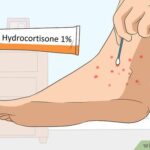
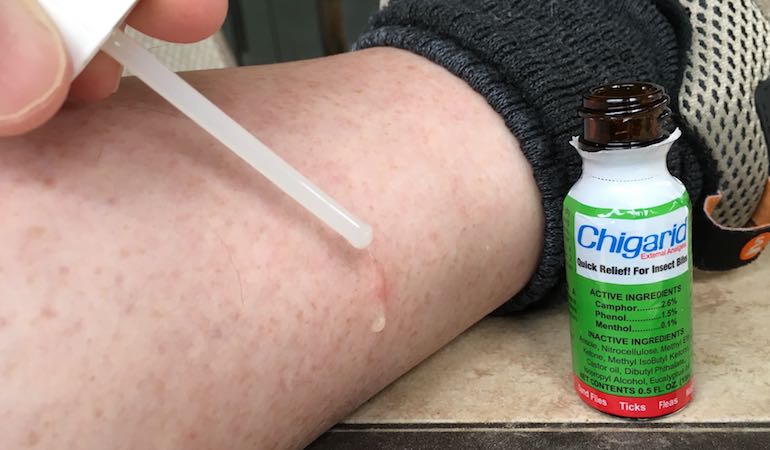
Apply calamine lotion, 1% hydrocortisone cream, or menthol/chamomile ointments as soon as intense itching starts, reapplying every 4-6 hours. Oral antihistamines like Benadryl reduce systemic reaction during this most uncomfortable window.
Ongoing Relief (Days 2-7)
Use cold compresses or ice packs 10-15 minutes several times daily to numb itching; colloidal oatmeal baths soothe widespread bites. Continue topical treatments until welts flatten, preventing secondary infections from scratching.
Infection Signs Requiring Medical Care
Seek doctor if bites ooze pus, swell excessively, or develop fever after 48 hours—antibiotics may be needed. Steroid prescriptions help severe dermatitis unresponsive to OTC measures.
Conclusion
Chigger treatments work best applied immediately post-exposure, during 24-48 hour itch peak, and throughout 1-2 week healing. Early intervention prevents complications; consistent relief beats prolonged discomfort.
FAQs
Optimal first treatment timing after outdoor exposure?
Shower and apply soap scrub within 1-3 hours to dislodge mites before intense itching develops; prevents further bites and eases early welts.
When does peak itching demand strongest anti-itch measures?
24-48 hours post-bite when symptoms intensify most; apply hydrocortisone cream, calamine lotion, and oral Benadryl immediately upon noticing unbearable urge to scratch.
How often to reapply topical creams during acute phase?
Every 4-6 hours or after washing/bathing; layer thinly over clean, dry skin to maintain barrier without greasiness that traps bacteria.
Best home remedy frequency for multi-day relief?
Colloidal oatmeal baths daily for 15-20 minutes during days 2-5; cold compresses 3-4 times daily reduce swelling when topicals alone insufficient.
Signs treatment timing missed and infection starting?
Oozing pus, increasing redness/swelling, or fever after 48 hours despite consistent OTC use; requires antibiotics from urgent care.
Oral antihistamine application window?
Start at itch onset (day 1) through day 3-4; non-drowsy options daytime, sedating Benadryl evenings to aid sleep disrupted by discomfort.
Cold compress duration and frequency?
10-15 minutes every 2-4 hours during peak itch; wrap ice in cloth to avoid frostbite while numbing nerve endings effectively.
When to escalate to prescription steroids?
Severe swelling/itching unresponsive after 72 hours of diligent OTC care; doctor evaluates for dermatitis or hypersensitivity reaction.
Prevention treatment before chigger season?
Permethrin spray on clothing 24-48 hours pre-exposure; DEET on skin creates barrier reducing bite incidence by 80-90%.
Full healing timeline with proper timing?
1-2 weeks total; consistent early application halves discomfort duration versus delayed or inconsistent treatment.
Previous Article
Which Chigger Bite Treatments Bring Fast ReliefNext Article
Where Chigger Bite Treatments Help The Most