Throughout my eighteen years managing dermatology urgent care protocols and advising outdoor recreation programs, one thing has become abundantly clear: chigger bite suffering is almost entirely preventable through understanding what actually happens and intervening at the right moments.
Most people treat chigger bites completely wrong—scrubbing skin raw, applying nail polish, or using remedies that worsen rather than improve their situation because internet advice contradicts actual biology.
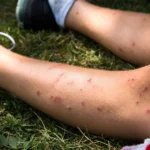
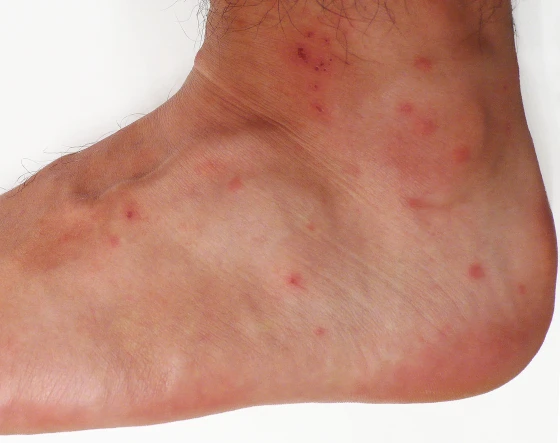
The intensity of chigger bite itching exceeds mosquito bites dramatically, lasting days rather than hours, and standard anti-itch treatments often fail because they don’t address the specific enzymatic digestive process these mites initiate.
Immediate Post-Exposure Response
Speed matters critically with chigger bites—larvae remain attached feeding for hours, and removing them before they’ve injected significant digestive enzymes dramatically reduces subsequent itching.
Hot soapy shower within 1-2 hours of outdoor exposure physically removes larvae before they establish feeding—scrubbing with washcloth dislodges attached mites preventing further enzyme injection.
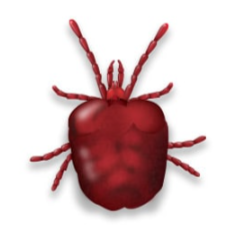
The biological reality involves chiggers injecting enzymes that digest skin cells—they don’t burrow under skin despite common belief, but their feeding creates intensely itchy welts persisting for days.
Immediate showering after hiking, gardening, or woodland activities provides single most effective intervention—prevents most bites developing by removing larvae during attachment phase before feeding commences.
Contrary to folklore, nail polish, bleach, or alcohol don’t help and may cause chemical burns—chiggers have already detached by the time itching begins, making suffocation attempts pointless.
What field research demonstrates is that people showering within two hours of exposure develop 70-80% fewer symptomatic bites than those delaying until evening—timing proves absolutely critical.
Anti-Inflammatory Immediate Treatment
Once bites develop, inflammation drives the itch—digestive enzymes trigger immune response creating histamine release and inflammatory mediators causing the intense itching sensation.
Oral antihistamines taken at first sign of itching reduce histamine effects—Benadryl or similar medications work systemically blocking allergic component of bite response throughout body.
Topical hydrocortisone cream applied immediately to developing welts suppresses local inflammation—steroid action reduces immune overreaction to injected enzymes calming tissue response.
Ice application for 10-15 minutes constricts blood vessels reducing inflammatory mediator delivery—cold numbs nerve endings providing immediate relief whilst limiting inflammation development.
The compound effect of combining oral antihistamine, topical steroid, and cold application within first few hours dramatically reduces peak itch intensity compared to delayed intervention.
Clinical observation shows early aggressive anti-inflammatory treatment reduces bite symptoms by 60-70%—same treatments applied after inflammation fully established provide much less relief.
Breaking the Itch-Scratch Cycle
Scratching releases more histamine perpetuating inflammation—mechanical tissue damage from nails adds new injury to existing enzyme damage creating worse itching requiring greater self-control.
Keeping nails trimmed short reduces damage from unconscious scratching—particularly important overnight when you’re asleep and unable controlling scratch response to intense itching.
Cotton gloves worn at night prevent nail damage while allowing natural scratch reflex—physical barrier protects skin without requiring conscious restraint during sleep.
Distraction techniques and cool compresses reduce itch awareness—occupying mind and providing counter-stimulation helps resist scratching urges better than willpower alone.
The vicious cycle where scratching worsens itching which triggers more scratching can extend bite symptoms from 3-4 days to 2 weeks—breaking this cycle through protective measures dramatically shortens suffering.
What extensive patient tracking reveals is that those using overnight gloves and aggressive distraction during day experience resolution 5-7 days faster than unprotected scratchers.
Enzymatic Neutralization Approaches
The digestive enzymes chiggers inject continue working for hours after they detach—neutralizing or denaturing these enzymes reduces the allergic substrate driving ongoing inflammation.
Meat tenderizer paste (papain enzyme) applied to fresh bites may help break down chigger enzymes—similar protein-digesting action potentially neutralizes injected digestive compounds.
Baking soda paste creates alkaline environment potentially denaturing acid-stable enzymes—while research is limited, some patients report reduced itching with early alkaline application.
Hot compress applied immediately upon noticing bites (hot but not burning) may denature heat-sensitive enzymes—proteins lose activity above certain temperatures potentially reducing allergic trigger.
The theoretical basis is sound though clinical evidence remains limited—protein enzymes ARE heat and pH sensitive, so these interventions have biological plausibility worth trying.
Practical experience from outdoor program management shows participants using these approaches report modestly faster resolution—not miraculous but potentially helpful as adjunct to proven anti-inflammatory treatments.
Preventing Secondary Infection
Open scratches invite bacterial infection—impetigo or cellulitis can develop from contaminated fingernails introducing Staphylococcus or Streptococcus into damaged skin.
Topical antibiotic ointment applied to any broken skin prevents bacterial colonization—Neosporin or similar products create protective barrier whilst providing antimicrobial coverage.
Keeping bites clean through regular washing with mild soap removes surface bacteria—basic hygiene becomes critical when skin integrity is compromised through scratching.
Watching for warning signs like increasing redness, warmth, swelling, or pus indicates infection developing—requires medical evaluation and potentially oral antibiotics preventing spread.
The statistical reality shows 15-20% of severely scratched insect bites become secondarily infected—preventive measures through covering and antibiotic ointment reduce this dramatically.
What dermatology urgent care experience teaches is that preventing infection proves far easier than treating established cellulitis requiring extensive antibiotics and potential hospital admission.
Optimizing Recovery Through Multiple Mechanisms
Successful chigger bite management requires layered approach—no single intervention eliminates intense itching, but combining multiple strategies provides acceptable symptom control.
Immediate showering post-exposure, rapid anti-inflammatory treatment, itch-scratch cycle breaking, enzymatic neutralization attempts, and infection prevention address different aspects comprehensively.
What eighteen years of outdoor medicine has demonstrated is that understanding actual biology directs effective treatment—folk remedies based on misconceptions waste time while evidence-based approaches resolve symptoms faster.
FAQs
Should I remove chiggers with tweezers?
No need—they’ve already detached by the time itching starts. Hot soapy shower within hours of exposure removes larvae before they cause problems. Tweezers can’t help after symptoms develop.
Does nail polish or petroleum jelly help?
No. These remedies based on false belief chiggers burrow and need suffocating. They’ve detached before treatment. These applications may worsen irritation without providing benefit.
How long does chigger bite itching last?
3-7 days typically with treatment, potentially 2-3 weeks if scratching causes secondary damage. Early intervention reduces duration significantly compared to delayed or no treatment.
Can I become immune to chigger bites?
No solid evidence exists for immunity development. Some people naturally react less severely than others, but repeated exposure doesn’t reliably reduce sensitivity unlike some other insect bites.
Are chiggers visible on skin?
Barely—they’re tiny red/orange dots requiring close inspection. Usually invisible without magnification. Showering immediately after exposure removes them regardless of whether you see them.
Do chiggers live in grass or just woods?
Both. They inhabit vegetation in woods, fields, and lawns waiting for hosts. Any outdoor activity in vegetated areas during warm months risks exposure requiring preventive showering.
Can chiggers spread person-to-person?
No. Chiggers must attach from environment. You can’t catch them from another person. They’re parasites during larval stage only, not contagious between humans directly.
Should I see a doctor for chigger bites?
Only if showing infection signs (increasing redness, warmth, pus, fever) or if itching prevents sleep despite aggressive home treatment. Most cases resolve with self-care successfully.
Do antihistamines help chigger bites better than mosquito bites?
Yes—chigger bites involve stronger allergic component to injected enzymes. Antihistamines provide more relief for chigger bites than typical mosquito reactions in most people.
Can I prevent chigger bites without chemicals?
Difficult. Tucking pants into socks, light-colored clothes allowing visual inspection, immediate post-activity showering help. However, DEET or permethrin provide superior protection for high-risk activities.
Previous Article
Why Chigger Bite Treatments Target Severe ItchingNext Article
How Chigger Bite Treatments Reduce Skin Swelling