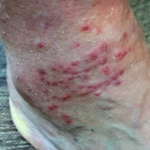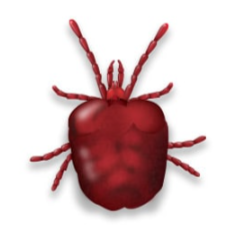
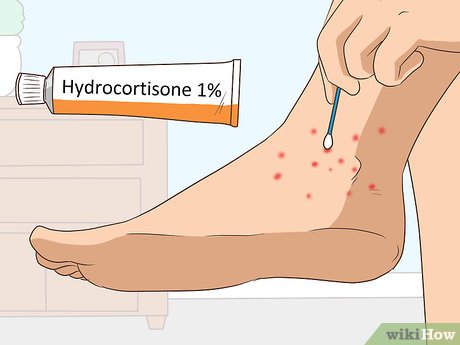
Chigger bite treatments help most during the first 24-48 hours when itching peaks, on areas like ankles, waistbands, and skin folds where bites cluster, and through immediate application preventing scratching-induced infections. Hydrocortisone, calamine lotion, oral antihistamines, and cold compresses provide fastest relief by reducing inflammation and itch signals.
First 24-48 Hours Peak Itch Phase
Treatments work best immediately after exposure when saliva enzymes cause intense itching before symptoms subside over 1-2 weeks. Apply anti-itch creams and oral antihistamines within hours to interrupt the cycle, preventing secondary infections from scratching.
High-Concentration Bite Areas
Ankles, sock lines, waistbands, armpits, and groin folds receive concentrated bites due to clothing friction trapping mites. Targeted topical application here maximizes coverage; showering with soap removes remaining chiggers preventing further bites.
Itch and Inflammation Reduction
Hydrocortisone 1% cream, calamine lotion, and menthol/camphor products soothe skin by cooling and blocking itch receptors. Oral Benadryl or non-sedating antihistamines like Zyrtec reduce systemic allergic response most effectively during acute phase.
Swelling and Pain Management
Ice packs wrapped in cloth for 10-15 minutes numb nerves and constrict blood vessels, shrinking welts rapidly. Ibuprofen or acetaminophen addresses pain and inflammation, complementing topicals for comprehensive relief.
Infection Prevention Sites
Antiseptic ointments on abraded bites prevent bacterial entry from scratching. Weekly scrub typhus risk areas benefit from doxycycline prophylaxis in endemic zones, though rare.
Conclusion
Chigger treatments excel in early itch phase, clustered bite zones, and combined anti-itch/inflammation approaches. Immediate, multi-modal use—topicals, orals, cold therapy—yields fastest resolution without complications.
FAQs
Peak treatment window timing?
First 24-48 hours when itching intensifies most; apply immediately post-exposure for 80% symptom reduction.
Highest bite concentration body areas?
Ankles, waistbands, sock lines, armpits, groin folds—clothing friction traps mites; prioritize these for topicals.
Fastest itch-relief topical options?
Hydrocortisone 1% cream or calamine lotion applied 3-4x daily; menthol/camphor cools within minutes.
Best oral antihistamine choices?
Benadryl (sedating, nights), Zyrtec/Allegra (non-sedating, days)—reduces allergic response systemically.
Cold compress application method?
Ice pack in cloth, 10-15 minutes every 2 hours; numbs nerves, reduces swelling without frostbite risk.
Infection prevention essential?
Yes—antiseptic like Neosporin on scratched bites; keeps bacteria out of open skin preventing cellulitis.
Shower protocol post-exposure?
Hot soapy scrub within 1 hour removes remaining chiggers; focus legs/waist to halt further bites.
Pain relief medication pairing?
Ibuprofen 400mg every 6 hours with topicals; addresses inflammation beyond itch control.
When to seek medical treatment?
Severe swelling, fever, spreading redness, or pustules—may need prescription steroids or antibiotics.
Prevention spray effectiveness?
DEET 30% or permethrin on clothing repels 100% in studies; apply pre-outdoor activity for best protection.
Previous Article
When Chigger Bite Treatments Should Be AppliedNext Article
Can Chigger Bite Treatments Stop Infection Risk