
Dealing with itchy red bumps long after a chigger bite can be confusing and uncomfortable. Many people assume the treatment has failed, but sometimes the body simply reacts later than expected. Understanding delayed reactions and how to soothe them can make a world of difference in your recovery.
Understanding Chigger Bites
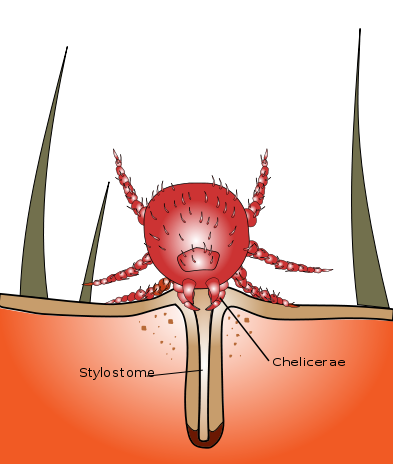
Chiggers are tiny mites that attach to your skin and inject enzymes that cause irritation. After they fall off, your body reacts to the enzymes left behind, often leading to intense itching and redness. These small bites can last for days or even weeks if not properly treated or protected.
What Causes a Delayed Reaction
Not everyone responds to chigger bites immediately. In some people, the immune system takes longer to identify and react to the irritant left under the skin. This delay can make it seem like new bites are appearing later, when in fact it’s the body’s slow reaction finally showing up.
Recognizing Delayed Symptoms
A delayed reaction can look different from an immediate one. You might see small red bumps or clusters that appear a few days after initial exposure, often in areas where clothing was tight. The itching tends to increase suddenly, even after you thought the worst was over.
Do Treatments Still Work
Yes, most treatments for chigger bites still work even if your reaction happens days later. The goal remains the same—to reduce itching, inflammation, and the risk of infection. Using gentle, proven remedies helps calm your skin, no matter when the discomfort begins.
Over-the-Counter Relief Options
Hydrocortisone cream, calamine lotion, or colloidal oatmeal products can soothe itching associated with delayed chigger bite reactions. These options reduce swelling and discomfort without harsh chemicals. For best results, apply lightly to clean, dry skin and avoid vigorous scratching.
Natural Soothing Remedies
If you prefer chemical-free care, simple home remedies can offer relief. Aloe vera gel cools itching and hydrates the skin, while witch hazel acts as a natural astringent to reduce inflammation. Baking soda paste and cold compresses can also ease late-stage irritation without side effects.
Why Itching Returns Later
Your skin continues to respond to the enzyme residue left behind by the chigger even after the initial irritation fades. As the body repairs itself, nerve endings around the area can reactivate, creating a resurgence of itchiness. Reapplying soothing treatments can calm the skin again and prevent further inflammation.
Avoiding Secondary Irritation
Scratching delayed chigger bites can break the skin, leading to secondary irritation or infections. Keep nails short, apply cooling lotions, and use lightweight clothing to avoid friction. Resting your skin helps it heal faster and keeps irritation to a minimum.
Calming Skin Inflammation
Inflammation from delayed reactions can be managed effectively with gentle care routines. Luke-warm baths with oatmeal or Epsom salts can reduce swelling and soreness. Follow up with a mild moisturizer to keep the skin barrier strong and hydrated.
How Long Delayed Reactions Last
Delayed chigger bite reactions can linger for several days or occasionally up to a few weeks, depending on skin sensitivity. The key is to stay consistent with treatment, even when symptoms seem to fade. This steady approach prevents flare-ups and helps your skin fully recover.
Identifying Lingering Marks
Sometimes, a bite can leave behind small dark or pink spots after the main irritation is gone. These marks are part of your skin’s healing process and usually fade naturally over time. Applying aloe or vitamin E oil can help support the fading process and keep your skin smooth.
Preventing Future Bites
Avoiding future bites is the best long-term solution. Wear long sleeves, use natural repellents like citronella or lemon eucalyptus, and avoid walking through tall grass without protection. Once home, shower and wash your clothes immediately to remove any remaining mites.
When to Seek Medical Care
If delayed chigger reactions become unusually swollen, blistered, or painful, it’s time to check with a healthcare provider. Persistent itching that doesn’t respond to normal care may signal a skin infection or allergic response. Early medical attention can prevent complications and speed up healing.
Skin Sensitivity and Immune Response
Everyone’s skin responds differently to chigger bites and treatments. Sensitive or allergy-prone skin types are more likely to develop delayed or stronger reactions. Choosing mild, fragrance-free products helps reduce irritation and supports calmer recovery.
Cooling Remedies for Relief
Cold compresses or aloe-infused cooling gels can instantly ease flare-ups from delayed reactions. They tighten pores and soothe heat in the skin, giving fast comfort during itching spells. Keep these remedies in your fridge for quick relief when needed.
The Role of Hydration
Proper hydration improves skin recovery after bites. Drinking enough water keeps your skin flexible and supports faster regeneration. Combining hydration with gentle moisturizers helps minimize itch intensity and lowers the risk of dryness-related irritation.
Gentle Cleansing Habits
When dealing with delayed irritation, switch to gentle cleansing routines. Avoid harsh soaps or alcohol-based products that can strip your skin and worsen redness. Using a mild, unscented cleanser protects your natural barrier while soothing sensitive areas.
Minimizing Scarring
Even after delayed reactions subside, gentle post-care can prevent scarring. Lightly massaging the area with vitamin E or jojoba oil keeps tissue soft and supports natural healing. Avoid picking or exfoliating too early to allow your skin to restore itself evenly.
Rest and Skin Recovery
Sleep and rest play a vital role in healing delayed chigger reactions. When you rest well, your skin repairs faster and inflammation decreases. Pairing consistent rest with hydration and calm care routines ensures your body can respond properly.
Boosting Natural Immunity
Supporting your immune system can help prevent severe delayed reactions in the future. Eating nutrient-rich foods like berries, citrus, leafy greens, and nuts supplies antioxidants that help your body manage inflammation. A balanced lifestyle reduces exaggerated skin responses to minor irritants.
Mild Anti-Itch Solutions
For gentle relief, oatmeal or chamomile-infused lotions can calm itching without synthetic additives. They’re suitable for sensitive skin and can be reapplied several times daily. These mild treatments provide steady comfort without disrupting your natural skin balance.
Avoiding Rebound Reactions
Using too many medicated creams in a short timeframe can overwhelm your skin. Alternating between natural and over-the-counter treatments keeps your skin from becoming overly dependent or reactive. Moderation helps preserve sensitivity and recovery speed.
Nighttime Comfort Tips
Bedtime itching can worsen because warmth and pressure heighten irritation. Wearing loose cotton clothing and keeping your room cool prevents flare-ups overnight. Applying a light layer of moisturizer before bed creates a barrier that soothes the skin while you sleep.
Practical Takeaways
Yes—chigger bite treatments still work on delayed reactions when used consistently and gently. Keep your skin hydrated, avoid scratching, and rely on soothing natural ingredients to calm irritation. A patient, consistent approach always leads to smoother, itch-free recovery.