
Dealing with the intense itch and irritation from chigger bites can be more than just a nuisance—it can disrupt sleep, focus, and general comfort. While home remedies are often the first line of defense, sometimes professional treatments provide faster and more lasting relief when the itching becomes unbearable.
Understanding Chigger Bites
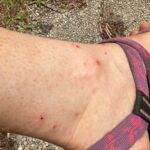
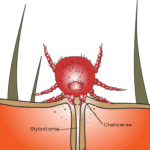
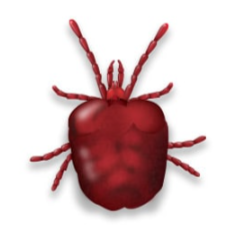
Chiggers are tiny mites that attach to the skin, usually in warm, moist areas. Their bites cause red, irritated spots and an intense itching that can last for several days. Recognizing the early signs helps determine whether basic care will work or if you’ll need more advanced treatment.
Why Home Remedies Don’t Always Work
Many home remedies—like using baking soda, vinegar, or cold compresses—can soothe itching for a short time but may not stop inflammation entirely. If the skin becomes overly irritated or infected from scratching, these mild methods might fall short. That’s when targeted chigger bite treatments become a better option.
Over-the-Counter Relief
Topical anti-itch creams containing hydrocortisone or calamine help reduce redness and minimize discomfort. These treatments work by calming inflammation in the skin so the itching doesn’t spiral out of control. Unlike many home options, these creams provide consistent relief and speed up recovery.
Antihistamine Benefits
Antihistamines taken orally can counter the allergic reaction triggered by chigger saliva. They ease swelling and reduce itching from the inside out. When combined with topical treatments, they create a more complete approach to skin recovery after bites.
Preventing Skin Infection
One of the biggest risks from chigger bites is infection caused by scratching open wounds. Applying antibiotic ointments helps protect damaged skin and prevents bacteria from taking hold. This step turns a temporary irritation into a quicker recovery, especially if scabs have already formed.
Recognizing When It’s Serious
If bite areas swell beyond normal irritation or develop pus, blisters, or fever, professional medical care is necessary. Sometimes intense immune responses or secondary infections require prescription-strength treatments. Knowing when to escalate care prevents complications and longer healing times.
Steroid Cream Options
For severe reactions, stronger topical steroids prescribed by a doctor calm inflammation at a deeper level. These creams penetrate the skin’s surface to control swelling, burning, and constant itching. They’re often used short-term to help chronic or widespread reactions return to normal faster.
Oral Medications for Relief
In rare cases with extensive bites or allergic outbreaks, healthcare providers may prescribe oral corticosteroids to regulate inflammation. These medications target the root of the immune response rather than just surface symptoms. They’re especially effective for people whose reactions don’t respond to at-home care.
The Role of Clean Skin
Keeping bite areas clean is a simple but powerful part of chigger bite treatment. Gentle washing with soap and water removes remaining irritants and prevents infection. Skipping this step can allow the itching to worsen or spread, especially in humid conditions.
Avoiding Common Mistakes
Scratching might provide brief relief, but it aggravates skin damage and can cause severe irritation. Using overly harsh soaps, alcohol, or vinegar too often can also dry the skin and make the itching worse over time. Instead, focus on gentle care paired with proven medical creams.
Importance of Clothing and Hygiene
Wearing loose, breathable clothing and showering after spending time outdoors reduces lingering irritation. Chiggers often remain on fabric or skin until thoroughly washed off. A quick rinse and clean change of clothes can dramatically cut down the risk of continued itching.
Cooling the Irritation
Cold compresses and cool baths are still useful when combined with stronger topical treatments. Cold reduces swelling by constricting blood vessels, giving instant but temporary relief. Pairing this with medicated creams enhances comfort and shortens the total healing time.
When Prescriptions Are Needed
If standard creams and antihistamines don’t stop intense itching within a few days, prescription-level care makes sense. Doctors can assess whether your skin reaction is unusually strong or if an infection has begun. A short course of specialized medication might bring complete relief faster than endless trial of home methods.
Natural Treatments That Help
Even when using medical products, gentle natural remedies can support healing. Aloe vera or oatmeal-based lotions add moisture and calm the skin without interfering with medicated ingredients. These options help maintain skin balance and reduce dryness caused by stronger treatments.
Balancing Natural and Medical Care
Combining natural cooling methods with pharmacy-grade treatment delivers the best of both worlds. You can use an oatmeal bath during the day for comfort, then apply an anti-itch cream before bedtime for long-lasting relief. The key is moderation—natural remedies soothe, while medical ones resolve.
Preventing Future Bites
Avoiding grassy, wooded, or damp areas where chiggers thrive reduces your exposure. Apply insect repellents before outdoor activities, focusing on ankles, waistlines, and cuffs. Once you’re done, shower immediately and wash clothes in hot water to remove any lingering mites.
Quick Recovery Habits
Healing from chigger bites depends as much on aftercare as on initial treatment. Keep nails trimmed short to avoid breaking the skin when scratching unconsciously. Wearing light fabrics and staying hydrated can also speed up the skin’s natural recovery cycle.
Minimizing Scarring
Severe bites often leave lingering marks, especially if they’ve been scratched repeatedly. Using vitamin E oil or fragrance-free moisturizers encourages new skin growth while fading redness. Consistent care keeps your skin smooth and helps prevent permanent blemishes.
Strengthening Skin Defenses
Healthy skin is more resilient against both chigger bites and infections. Maintaining balanced nutrition with vitamins C and E supports collagen repair and healing. Regular gentle exfoliation and moisturization can reduce irritation and promote faster recovery after future insect exposures.
Best Practices for Outdoor Safety
Whenever exploring nature trails, hiking, or gardening, wear socks over pants and closed shoes to block access points for chiggers. Treat outdoor gear with repellents specifically designed for fabric use. A little prevention can eliminate the need for major treatment later.
Staying Comfortable at Night
Nighttime itching can interfere with rest, slowing down recovery. Applying cooling gel or antihistamine cream before bed helps you sleep better and avoid scratching unconsciously. Keeping your bedroom cool also reduces skin irritation while you rest.
Avoiding Reinfestation
Sometimes, chiggers remain in outdoor furniture, blankets, or pet bedding. Washing and vacuuming these regularly ensures they don’t return and cause another round of bites. Spending a few extra minutes cleaning can save you from repeating the same itchy cycle.
Practical Takeaways
If chigger bites cause more than mild irritation, don’t rely only on household remedies. Combine gentle skincare habits with over-the-counter creams, and seek medical treatment if swelling or infection grows. Acting quickly and balancing comfort with professional care helps stop the itch, protect your skin, and get you back to normal fast.