Chigger bites can make your skin itch intensely, leaving behind small red bumps that seem to last forever. Understanding how chigger bite treatments work can help you soothe the irritation quickly and prevent further discomfort.
What Are Chiggers
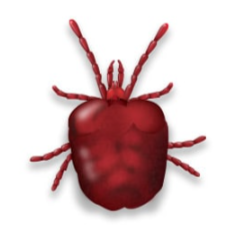
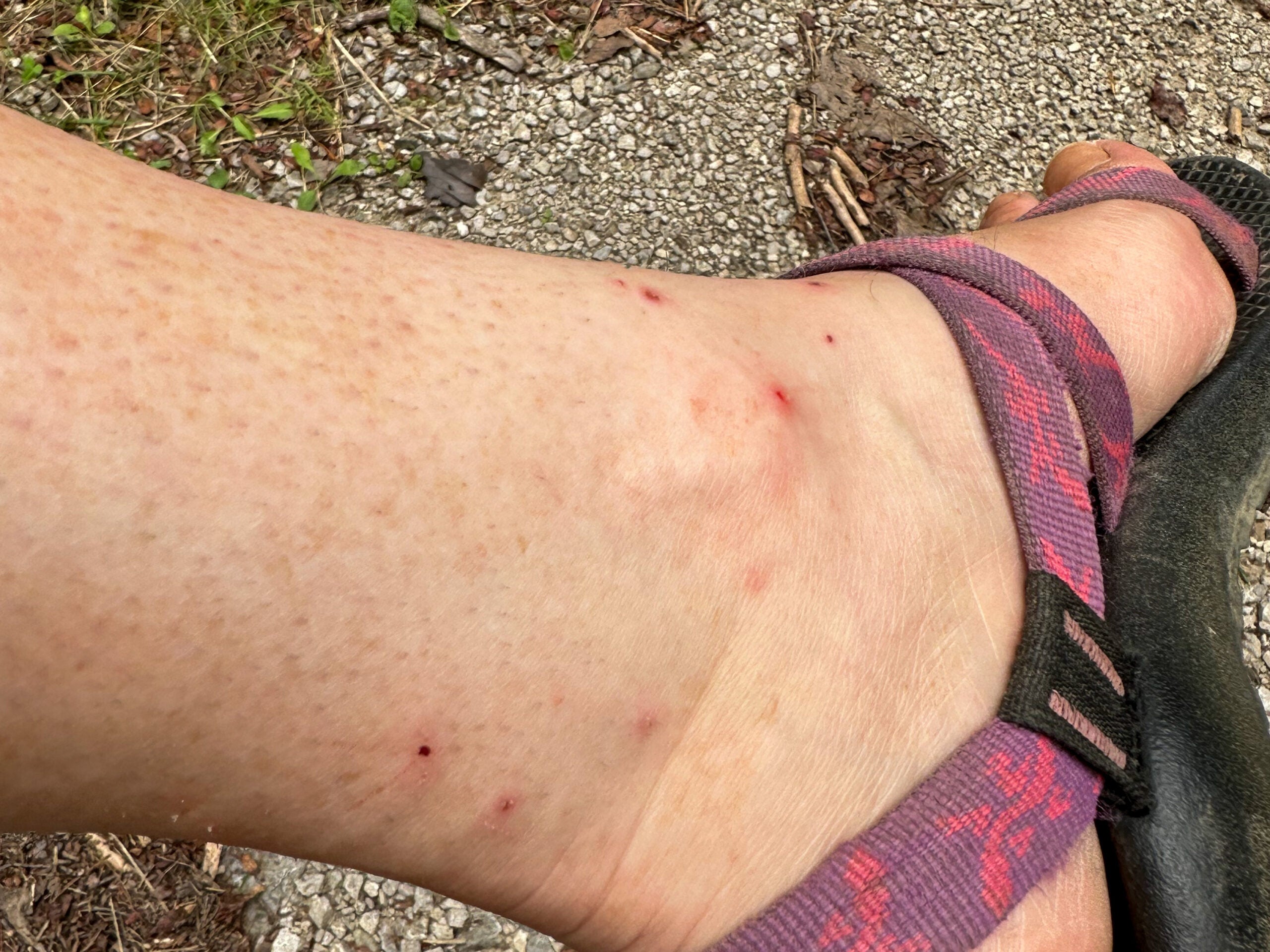
Chiggers are tiny mite larvae that attach to the skin to feed for a brief time. They don’t actually burrow into your flesh, but their saliva triggers an allergic reaction that causes itching and redness. The bites often appear in clusters, especially around waistbands, ankles, or warm, moist skin folds.
Why Chigger Bites Itch
When a chigger bites, it injects enzymes into your skin that break down tissue for feeding. Your body reacts by releasing histamines, which cause swelling and intense itching. This reaction can continue even after the chigger has fallen off, making treatment essential to calm the irritation.
First Steps After a Bite
The first thing to do when you notice chigger bites is to wash the affected area with warm water and soap. This helps remove any remaining enzymes and reduces bacteria on the skin. Gently pat dry and avoid scratching, as scratching can break the skin and increase infection risk.
Over-the-Counter Treatments
You can find several over-the-counter products designed to ease itching and swelling. Calamine lotion, hydrocortisone cream, and topical antihistamines provide quick comfort by cooling or numbing the irritated skin. Apply these gently, two to three times a day, to minimize redness and itching.
The Role of Anti-Itch Lotions
Anti-itch lotions work by calming the histamine response and moisturizing the skin. Many contain soothing ingredients like pramoxine or menthol to provide a cooling sensation. These products give relief for several hours and make it easier to resist scratching, which can prolong healing time.
Cooling Compresses
Applying a cool compress is an easy and effective way to reduce swelling and irritation. The cold temperature numbs the skin temporarily, easing the itch and calming inflammation. Use a clean washcloth soaked in cold water and hold it on the affected area for 15-20 minutes several times daily.
Oatmeal Baths for Soothing Skin
An oatmeal bath can be very helpful for widespread bite irritation. Colloidal oatmeal has natural anti-inflammatory properties that calm the skin and reduce redness. Add a cup of finely ground oatmeal to lukewarm bath water and soak for about 15 minutes to ease discomfort.
Aloe Vera for Natural Relief
Aloe vera gel is one of the gentlest and most effective natural remedies for chigger bites. It cools the skin instantly while promoting healing through its natural enzymes and vitamins. Applying pure aloe vera several times a day helps hydrate the skin and reduce the urge to scratch.
Baking Soda Paste
Baking soda can balance the skin’s pH and relieve itching when used correctly. Mix a small amount of baking soda with water to form a paste and apply it to the bites for 10-15 minutes. Rinse off gently and pat dry—this simple remedy is ideal for quick relief.
Witch Hazel for Skin Comfort
Witch hazel acts as a natural astringent and anti-inflammatory, making it perfect for calming irritated skin. Dab it gently onto the bites with a cotton ball to reduce swelling and dryness. Its cooling effect also helps relieve the burning sensation chigger bites can cause.
Essential Oils for Itch Relief
Essential oils like tea tree, lavender, and chamomile can help calm inflammation and prevent infection. Mixing a few drops with a carrier oil such as coconut oil creates a soothing blend for topical use. These natural ingredients promote healing and leave the skin feeling refreshed.
Keeping Bites Clean
Cleanliness is crucial to avoid secondary infections from scratching. Wash affected areas twice daily with mild soap and warm water, then apply a light layer of healing cream or lotion. Avoid heavy or greasy ointments that can trap heat and worsen irritation.
Antihistamine Support
Oral antihistamines can reduce the body’s overall allergic response, especially when itching interferes with sleep. Non-drowsy options work well during the day, while nighttime formulas help you rest comfortably. Using them for a few days often improves both itching and swelling noticeably.
Avoiding Irritants
After a chigger bite, your skin becomes highly sensitive to irritants like harsh soaps, scented lotions, or tight clothing. Choose gentle skincare products free from alcohol and synthetic fragrances. Wearing loose cotton fabrics also allows air to circulate and helps the skin recover faster.
Hydration and Nutrition
Staying hydrated supports the skin’s healing process and prevents dryness that worsens itching. Drink plenty of water throughout the day to maintain elasticity and resilience. A balanced diet rich in vitamins A, E, and C further strengthens the skin and reduces inflammation.
Preventing Future Bites
To avoid another round of itching, take steps to protect yourself outdoors. Wear long sleeves, socks, and closed shoes when walking through tall grass or wooded areas. Shower promptly after outdoor activity and wash clothes on high heat to eliminate any lingering chiggers.
Natural Protective Remedies
Applying natural repellents such as diluted essential oils can deter chiggers from latching onto your skin. Oils like citronella, eucalyptus, or lemongrass work well when mixed with a carrier oil or aloe base. These plant-based repellents are gentle alternatives to chemical-laden bug sprays.
The Importance of Gentle Care
Chigger bite treatment isn’t just about stopping the itch—it’s about helping your skin recover naturally. Harsh chemicals can delay healing or cause further irritation. Choosing gentle, soothing care ensures your skin returns to normal quickly without scarring or inflammation.
Home Remedies That Work Together
Combining treatments like oatmeal baths, aloe vera, and antihistamines can provide layered relief. Each method targets a different symptom—itching, swelling, and redness—for a comprehensive healing approach. Mixing natural and medical options carefully achieves the best comfort and results.
Managing Discomfort Overnight
Itching tends to worsen at night, making rest difficult. Applying a cooling gel before bed and wearing breathable clothing help keep the skin calm. You can also place a fan nearby for gentle airflow, which soothes the itching sensation and promotes better sleep.
Healing Time and Patience
Chigger bites usually heal within one to two weeks, depending on how your skin reacts. Refraining from scratching is the most important step to avoid scarring or infection. Gentle care, consistent treatment, and patience go a long way in achieving full recovery.
Gentle Options for Children
Children’s skin can be more sensitive to both bites and treatments. Opt for mild remedies like aloe vera, oatmeal baths, or diluted essential oils for safe relief. Always avoid strong medicated creams unless advised by a healthcare provider, as children’s skin absorbs ingredients more rapidly.
Clothing and Fabric Choices
The fabrics you wear can affect how quickly your skin heals. Soft cotton or bamboo fabrics reduce friction and allow your skin to breathe. Avoid tight clothing or synthetic materials that can rub against bites and trigger renewed irritation.
Supporting Skin Healing Naturally
Moisturizers rich in shea butter, coconut oil, or vitamin E can speed up the skin’s regeneration process. They seal in moisture and protect fragile skin from environmental stress. Using them daily after bathing helps fading marks disappear more quickly.
Practical Takeaways
Wash the affected area right away, apply cooling treatments, and keep your skin hydrated. Opt for gentle care—like aloe vera, antihistamines, and oatmeal baths—to reduce itching without irritation. Protect against future bites by covering up outdoors and using mild natural repellents that keep your skin healthy and itch-free.
Previous Article
What Chigger Bite Treatments Provide For Large BitesNext Article
When Chigger Bite Treatments Beat Home Remedies