Chigger bites are a common frustration during the warmer months, causing intense itching and irritated skin that can last for days. Understanding why chigger bite treatments are especially important in summer helps prevent discomfort and promotes faster healing when outdoor activities are at their peak.
What Are Chiggers
Chiggers are microscopic mites that live in grassy and wooded areas, thriving in warm, humid environments. They attach to the skin and feed on skin cells rather than blood, injecting enzymes that cause intense itching and red welts. Because they’re nearly invisible, bites often appear hours after exposure, catching most people by surprise.
Why Summer Increases Chigger Risks
Summer provides the perfect conditions for chiggers to breed and thrive. The combination of heat, moisture, and increased outdoor activity means more potential contact with vegetation harboring these mites. From hiking and gardening to picnicking in tall grass, seasonal exposure makes prevention and treatment essential during these months.
Recognizing a Chigger Bite
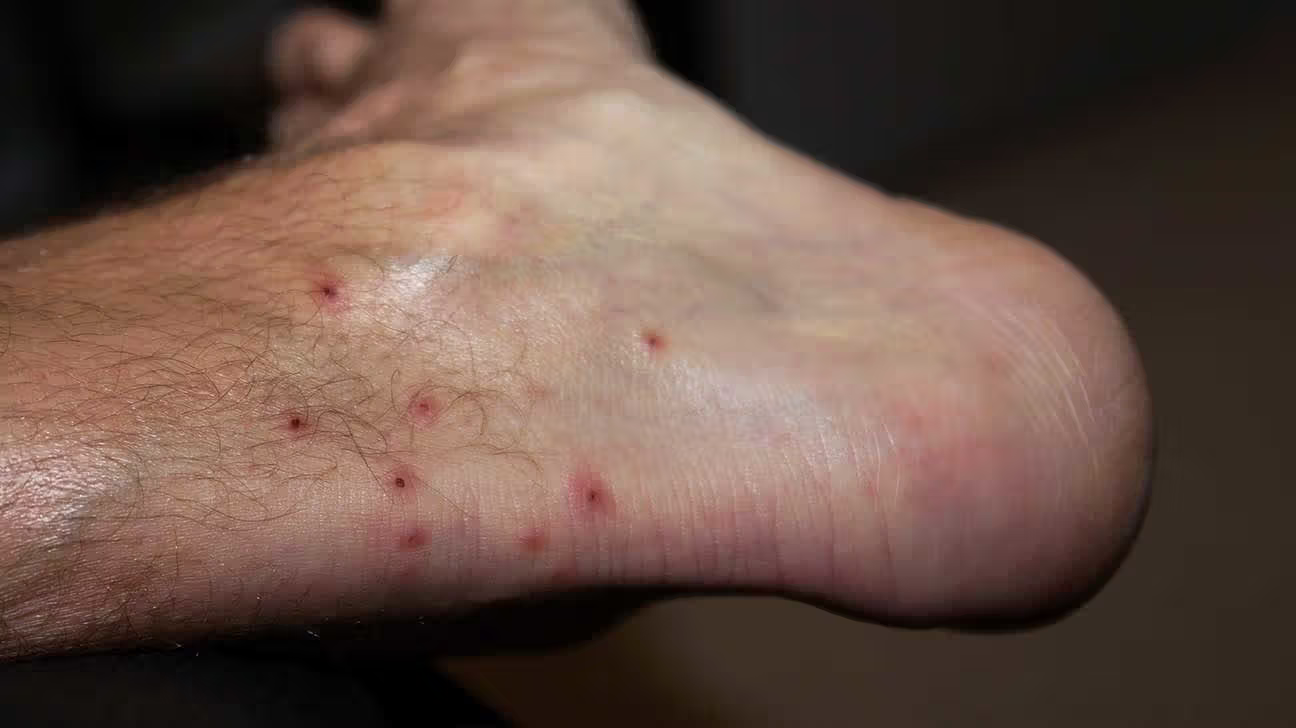
A chigger bite typically starts as a small red bump that quickly develops into a raised, itchy welt. Some bites can cluster together, especially around tight clothing lines like socks, waistbands, or underarms. Identifying the bite early allows for quicker treatment, minimizing irritation and reducing the temptation to scratch.
How Chigger Bites Affect Skin
Chigger bites cause irritation through enzymes that break down skin tissue, creating a localized allergic reaction. This results in intense itching that can last for several days or even weeks. Without proper care, scratching can lead to secondary bacterial infections or prolonged redness.
The Importance of Chigger Treatments
Effective treatment is crucial to control itching and prevent complications. Without relief, chigger bites can become more inflamed or infected due to constant scratching. Quick treatment not only soothes discomfort but also helps the skin heal properly and prevents scarring.
Common Symptoms to Watch For
Typical symptoms include redness, swelling, itchiness, and small pustules around the affected area. In severe cases, scratching can lead to crusting or open sores. Monitoring these signs closely helps you know when to rely on natural care or when a medical visit is needed.
Natural Soothing Remedies
Gentle remedies are ideal for calming chigger bite irritation without harsh chemicals. Aloe vera gel, oatmeal baths, and cold compresses can significantly reduce itching and inflammation. These natural options work well for those with sensitive skin or when you want to avoid synthetic ingredients.
Cold Compress for Immediate Relief
A cold compress is one of the fastest ways to ease itchiness and swelling. Applying a chilled cloth for a few minutes slows inflammation and numbs the area temporarily. Repeat as needed throughout the day for consistent relief without irritating the skin.
Baking Soda and Water Paste
Creating a paste from baking soda and water forms a simple, chemical-free treatment for itchy bites. The alkaline nature of baking soda helps neutralize irritated skin and reduce redness. Gently apply it to affected areas for a few minutes before rinsing away with cool water.
Oatmeal or Cornstarch Baths
Soaking in a lukewarm bath made with oatmeal or cornstarch is calming and effective for multiple bite areas. These natural ingredients coat the skin lightly, helping reduce friction and itchiness. Take a bath once or twice daily to keep the discomfort under control.
Aloe Vera for Soothing Skin
Aloe vera’s cooling and anti-inflammatory properties make it a go-to remedy for bug bites. Applying fresh aloe gel or store-bought pure aloe helps reduce swelling while moisturizing irritated skin. It’s safe for frequent use and provides a refreshing layer of protection throughout the day.
Over-the-Counter Relief Options
When natural methods aren’t enough, mild over-the-counter treatments can help manage symptoms. Calamine lotion, hydrocortisone cream, or antihistamine ointments offer short-term relief without being overly harsh. These options are especially useful for people who experience stronger allergic responses.
Preventing Chigger Exposure
Avoiding chigger bites altogether is the best protection in summer. Stick to cleared trails, wear long sleeves and pants, and tuck clothing into socks or boots to block access to the skin. Applying natural repellents that contain essential oils like citronella, lemongrass, or tea tree can further deter mites.
Protecting Outdoor Spaces
Keeping your outdoor areas tidy helps limit chigger populations near your home. Mow lawns regularly, trim vegetation, and clear tall grass or leaf piles where chiggers thrive. Creating a dry, well-maintained yard can make your environment less appealing to these mites.
Washing After Outdoor Activities
Always take a shower with warm, soapy water after spending time outdoors. This step removes any lingering chiggers from the skin before they cause irritation. Laundering your clothes in hot water immediately afterward ensures you eliminate any remaining mites on fabric.
Avoiding Over-Scratching
It’s tempting to scratch a chigger bite, but doing so can worsen irritation and introduce bacteria. Keep nails short and apply soothing treatments frequently to reduce the urge. Covering the area lightly with a clean bandage can also help prevent accidental scratching while you sleep.
Supporting Skin Recovery
Your skin heals faster when kept clean, cool, and moisturized. After initial irritation subsides, continue using natural moisturizers like coconut oil or shea butter. These not only protect healing skin but also prevent dryness that can make itching return.
When to Seek Medical Help
If chigger bites lead to significant swelling, spreading redness, or signs of infection, professional care is needed. A healthcare provider can prescribe stronger anti-inflammatory creams or antibiotics when required. Seeking help ensures the problem doesn’t escalate beyond normal irritation.
Importance of Early Care
Treating chigger bites promptly minimizes discomfort and reduces risk of skin complications. Early intervention with natural or mild remedies can prevent inflammation from worsening. This proactive approach is especially crucial during summer, when outdoor exposure is nearly unavoidable.
Building Bite-Resistant Habits
Developing good outdoor habits makes summer activities more enjoyable and less itchy. Keep insect repellents on hand and wear protective clothing when exploring grassy or wooded areas. The more consistent your prevention techniques, the fewer chigger-related issues you’ll face.
Sensitive Skin Considerations
Those with sensitive or allergy-prone skin should choose treatments carefully. Opting for fragrance-free lotions and natural soothing gels reduces irritation risks. Avoid alcohol-based products, which can sting or dry out already inflamed bites.
DIY Natural Sprays
Homemade chigger bite sprays can provide refreshing relief. Combine witch hazel with a few drops of peppermint or lavender essential oil for a calming mist. Store it in a spray bottle and apply directly to itchy areas throughout the day.
Balanced Summer Skin Care
Summer skin care isn’t just about sunscreen—it’s also about defense against outdoor irritants. Moisturizing regularly strengthens your skin’s protective barrier, making it less prone to inflammation. Healthy, nourished skin recovers from bites more quickly and feels more comfortable overall.
Final Practical Takeaways
Keep aloe vera, baking soda, and cold compresses ready during your summer adventures. Treat any bites early, resist scratching, and use gentle moisturizers to promote healing. By maintaining preventive habits and natural skin care, you can fully enjoy summer’s warmth without the irritation of chigger bites.